45 % reduction in gas usage

Successful System Conversion from a 4-pie to a 2-pipe

Overheating solved for residents
Background
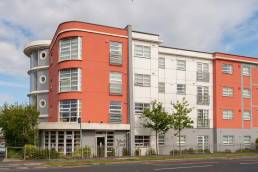
The Glyn Street project was a collaborative project between FairHeat and Notting Hill Genesis (NHG), targeting the heat network serving a 12-year-old residential development in Vauxhall, London. This block consisted of 69 dwellings and had been experiencing severe issues with its existing 4-pipe heating system, which was responsible for heating and hot water provision. The goal of the project was to address inefficiencies, reduce overheating, and optimise the heat network to enhance residents’ living conditions. The work and outcomes on Glyn Street are an exemplary model of strategic engineering, excellent project management and collaboration in improving the performance of existing heating systems in residential buildings.
Challenge
The residential block faced numerous problems with its outdated 4-pipe heat network:
- Severe Overheating: Temperatures in communal areas regularly reached uncomfortable levels—32°C in winter and above 40°C in summer—forcing residents to open windows during winter, leading to discomfort and dissatisfaction.
- High Energy Losses: The system’s inefficiencies resulted in substantial heat losses, contributing to increased operational costs and elevated carbon emissions.
- High Electricity and Gas Consumption: Poor system performance led to excessive gas and plumbing electricity consumption, which further increased the residents’ energy bills.
- Safety Concerns: There were scalding risks from high-temperature domestic hot water, and the building’s cold water supply system (BCWS) faced risks of failure.
- System Failure Risks: Overall, the inefficient system operation posed a risk of failure, which could impact the continuity of services and increase maintenance costs.

FairHeat Solution
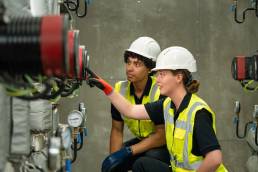
The Glyn Street project was carried out in two phases: a pilot installation phase to validate the proposed interventions, and a full-scale delivery and implementation phase. After the successful award of capital funding from the Heat Network Efficiency Scheme (HNES), FairHeat, in collaboration with NHG and subcontractor Watkins, successfully carried out a comprehensive retrofit to address the issues:
- 4-Pipe to 2-Pipe Conversion: The most critical intervention involved converting the existing 4-pipe heating system to a more efficient 2-pipe system. This conversion addressed the root cause of the overheating, significantly reduced heat loss, and ensured the system was ready for a future heat pump retrofit.
“The Glyn Street project is a fantastic example of how teams can work together quickly and effectively to make tangible improvements for our residents.
“We were confident when partnering with Fairheat that together we would find innovative solutions that would solve the overheating problem and transform the network into a model of efficiency. We are so proud that this can be now used as an example in for other buildings experiencing similar problems.” – Dan Perager, Head of Heat and Hot Water, Notting Hill Genesis
- Advanced Technological Integration: To ensure ongoing performance optimisation, remote monitoring technology was integrated into the network. This data-driven approach allowed continuous monitoring and performance validation.
- Holistic Efficiency Measures: The project leveraged the Heat Network Optimisation Guidance process. Furthermore, team reused existing equipment such as the primary pipework and boilers, and introducing weather compensation technology to maintain lower flow temperatures year-round. The use of Heat Interface Units (HIUs), strategic installation of water meters, radiator flushing, and plant room upgrades (including thermal storage) further contributed to improving efficiency.
“This project is a great example of the impact that following the Heat Network Optimisation Guidance process can have. A lot of time was spent understanding the root cause failures of the system. These were initially stabilised and have now been resolved through a continuous improvement process.” – Tom Burton, Senior Engineer at FairHeat
- Collaborative Execution: FairHeat served as the principal contractor, with Watkins engaged as the primary subcontractor. Effective communication among all stakeholders, including NHG and residents, was key to minimising disruptions and ensuring timely delivery. A phased approach to implementation helped to reduce disturbances to residents.
“Glyn Street heat network upgrade scheme was a great ‘case study’ to work on. FairHeat, Watkins, and NHG teams were appointed to deliver the project. A high level of cooperation was established, and we were able to deliver the heat network improvement, which has significantly improved the lifestyle of residents.” – Dimitri Shura, Site Supervisor, Watkins Plumbing
Results
The Glyn Street project was a great success, achieving significant improvements in energy efficiency, reducing operating costs for the client, and enhancing residents’ quality of life. A 72% reduction in heat loss was achieved, bringing the heat loss per dwelling down from 531W to 168W. Gas consumption was reduced by 45%, primarily due to the optimisation of heat distribution and improvements in boiler efficiency, while plumbing electricity consumption dropped by 85% as a result of enhanced system optimisation and better flow rate control.
In terms of resident comfort and safety, overheating in communal areas was effectively eliminated, with temperatures in corridors reduced from 36-38°C to a comfortable 22°C. This substantial temperature reduction not only improved comfort but also significantly reduced the health risks associated with overheating. Safety was further enhanced by mitigating scalding risks from high-temperature domestic hot water and stabilising the Building Cold Water Supply System (BCWS), which had previously faced risks of failure. One resident expressed their satisfaction, stating,
“It’s amazing! I’m no longer hit by a wall of heat when I go into the communal corridors.” – Resident, Glyn Street
The project also had a positive impact on the broader industry, providing a replicable blueprint for other retrofit projects. The successful conversion from a 4-pipe to a 2-pipe system demonstrated the feasibility of reducing temperatures, improving efficiency, and mitigating overheating risks in other buildings facing similar challenges.
The Glyn Street project was FairHeat’s first successful conversion from a 4-pipe to a 2-pipe system, which tackled the root cause of severe overheating while future-proofing the heat network for decarbonisation.
The project achieved a 72% reduction in heat loss, a 45% reduction in gas consumption, and an 85% reduction in plumbing electricity consumption, significantly lowering both carbon emissions and operational costs.
Residents experienced improved comfort due to lower ambient temperatures, reduced scalding risks, and better reliability of hot water and heating systems. Testimonials from residents highlighted the remarkable improvement in quality of life after project completion.