Significant reduction in system heat losses

Enhanced water quality management

Improved resident comfort
Background
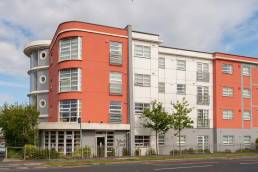
A Housing Association acquired a S106 18-unit residential scheme located in the heart of Tottenham Court Road. The scheme includes an LTHW network fed via gas boilers and thermal stores that serves HIUs and direct radiators situated in the corridors. The S106 purchase of the scheme encompasses HIUs, the heat network, and the basement plant.

Challenge
The Housing Association sought FairHeat’s support for the design, delivery, and testing of the scheme in Central London. Upon engagement, we identified several critical issues impacting thermal efficiency, resident comfort, system operation, and the cost of heat to residents. These issues included:
- Major oversizing of plant, pipework, and HIUs
- Elevated operating temperatures at c.80°C flow temperature
- Lack of water quality protection equipment
- Poor insulation specifications
- System bypasses
Despite our comprehensive recommendations at the design stage, none were initially implemented, except for the inclusion of a side stream filtration unit across the network pumps to protect the system’s water quality.
Our analysis revealed system losses exceeding 700 W/dwelling, more than seven times the CP1 2020 minimum heat loss requirement. The primary contributors to this high heat loss were system bypasses, elevated temperatures, and substandard insulation installation, including direct pipe hangers and insulation thicknesses not meeting British Standards.
FairHeat Solution

Despite the challenges, FairHeat identified that direct pipe hangers were installed across the system, which deviated from the Mechanical Specification. Leveraging the direct pipe hangers, significant oversizing of the heat network components and poor insulation standard, we identified an opportunity to lower the network flow temperature without altering the existing installation.
FairHeat conducted a detailed exercise to reassess the dwelling room heat losses and confirm that a revised radiator flow temperature profile from 75/65°C to 55/45°C could meet those losses. Consequently, we reduced the network flow temperature from 80°C to 60°C.
FairHeat implemented the following solutions:
- Lowered system temperatures from 80°C to 60°C.
- Installing an actuator on the top of riser bypass, set to only open for 30 minutes weekly for circulation.
- Removed/closed any additional system bypasses.
- Modified the BMS DesOps to ensure more efficient boiler operation.
Results
FairHeat’s interventions significantly enhanced the thermal efficiency of the scheme, ensuring resident comfort, optimising system operation, and reducing the cost of heat to the residents.
The system’s overall efficiency saw marked improvements. By addressing the original design’s shortcomings, such as the excessive flow temperatures and the constant bypass at the top of the riser, FairHeat was able to optimise the system’s performance reducing heat losses to c.200 W/dwelling. Then, through rigorous acceptance testing in both the plant room and dwellings, we identified and resolved performance issues which reduced losses further to c.100 W/dwelling, aligning with CP1 2020 standards.
The interventions led by FairHeat brought about transformative changes to the development, ensuring a more efficient and sustainable heating system for its residents. One of the most immediate and tangible benefits was the substantial reduction in residents’ bills, alleviating financial pressures on the occupants.
Another significant achievement was the mitigation of overheating issues, particularly in the corridors. Overheating can pose comfort and health risks to residents, especially during warmer months. By addressing this issue, FairHeat ensured a more comfortable living environment for all occupants.
Lastly, the water quality within the system experienced notable enhancements. The introduction of a side stream filtration (SSF) across the pumps played a pivotal role in this improvement. Better water quality ensures system longevity and efficient operation of the system by protecting the system against corrosion, reducing maintenance costs in the long run.


In conclusion, FairHeat’s strategic interventions transformed the development from what could have been a disaster system into an efficient and sustainable system. Residents will now enjoy a more comfortable living environment, coupled with the peace of mind that comes from reduced bills and a more reliable heating system.
Heat losses have been significantly decreased from 700 W/dwelling to 100 W/dwelling by lowering flow temperatures, eliminating bypasses, and enhancing insulation standards.
Installation of a side stream filtration unit has improved water quality management, ensuring cleaner and more efficient system operation.
Resident comfort has been enhanced both in terms of heat cost savings and user experience, thanks to improved system efficiency, lower ambient temperatures, and thorough verification of dwelling-level commissioning.

Recommendations for Housing Associations
S106 developments often face challenges related to subpar systems. Although efficiency standards are not currently mandatory, new regulations are expected to enforce stricter standards within the next few years. In anticipation of these changes, Housing Associations can take proactive steps to improve quality and avoid a downward trend in cost and performance. We recommend for Housing Associations:
- Establish a Unified Minimum Standard: Housing Associations should collaborate to agree on a minimum quality standard to prevent competition from driving costs and quality down.
- Adopt CP1 2020 Minimum Requirements across the industry: Ensure independent assessments are conducted to verify compliance.
- Conduct Design Audits: During the design phase, carry out CP1 compliance audits using a RAG (Red-Amber-Green) rating system to distinguish between critical “red flags” and areas for “optimisation opportunities.”
- Strengthen Contract Requirements: Define clearer expectations for documentation, witnessing, and commissioning processes in contractual agreements.
- Engage Contractors Early: Invest in training and early engagement with contractors and developers to ensure they understand and commit to compliance and performance goals.
- Educate the Developer Supply Chain: Clarify that maintaining high performance and compliance standards does not necessarily mean higher costs.
- Shift Away from a “Loss-Loss” Mindset: Focus on breaking the cycle of compromises that lead to both poor quality and higher costs by fostering a culture of collaboration and shared standards.