Background
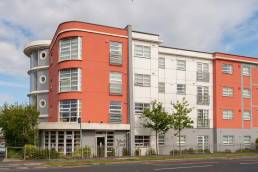
The project is a residential development in London, developed by a housing association, that comprises private and affordable housing flats, serviced by a 600 kW central plant integrating air-source heat pumps (ASHP) as the lead heat generation source with boiler top up. Heat is distributed through single-plate Heat Interface Units (HIUs), supplying hot water and direct space heating via radiators.
At the commissioning stage, FairHeat was engaged by the client to provide Quality Assurance services for the Stage 5 scope. Throughout the project, FairHeat shared the client’s goals to ensure the network’s reliability, efficiency, compliance and resident comfort while minimising risks of future complaints.
Challenge
Effective Quality Assurance of a heat network is essential, especially at the commissioning stage, as it is critical to ensuring the system operates efficiently, reliably, and safely from the outset. It identifies and resolves installation and design issues, verifies compliance with industry standards, and optimises system performance. By addressing potential faults early, Quality Assurance minimises the risk of costly future rectifications, enhances resident comfort, and fosters trust among stakeholders, ultimately safeguarding the long-term success of the heat network.
The project faced several challenges that required urgent attention to mitigate risks and improve outcomes. This included:
Installation Issues
- Design deviations, such as the installation of top of riser bypasses, risking increased network flow rates and temperatures which would lead to higher heat losses and energy consumption. Remedial works were required to rectify these issues.
- Incorrect insulation specification was installed on parts of the network, not aligning with approved technical submittals and industry standards, risking heat losses exceeding contracted maximum targets.
Commissioning Barriers
- Gaps in required information between the design and commissioning stages meant commissioning requirements were not well understood by the relevant stakeholders.
- Insufficiently detailed method statements risked issues not being identified prior to commissioning, which can lead to project delays and recommissioning requirements.
Resident Comfort Concerns
- Prolonged hot water delivery times.
- Bath tap temperatures exceeding Building Regulations, posing scalding risks.
- Low radiator temperatures and outputs, risking underheating of rooms and resident discomfort.
- Poor insulation risking higher heat losses, operational targets not being met and increased heat tariffs.

FairHeat Solution
FairHeat’s Stage 5 Quality Assurance service alongside client engagement and backing was instrumental in ensuring the successful delivery of the heat network.
The service ensured installation issues were remediated. Additionally, common challenges in commissioning, such as generic and insufficiently detailed method statements were addressed, by reviewing and refining them to be site-specific and aligned with design requirements. This prevented unsuitable commissioning practices due to unclear information. Additionally, the implementation of a system load test, aligned with CP1 2020 standards, diagnosed potential issues with system control, temperature stability, and boiler sequencing, enabling proactive remediation before handover. This approach ensured the network achieved its design intent, optimised performance, and minimised post-handover issues.
Working closely with stakeholders, the team carried out the following:
Plant room, network and dwelling installation reviews
FairHeat identified several design deviations within the installation and ensured they were rectified, this included:
- Removing top of riser bypasses to mitigate the risk of increased network return temperatures and flow rates, reducing heat loss and pump energy consumption.
- Ensuring pressure independent pre settable valve bodies with a suitable blank cap were installed on all reference radiators in flats. This reduces commissioning complexity, aligns with regulation and ensures correct space heating return temperatures can be achieved.
- Installing a water meter on the pressurisation unit and connecting this to the BMS, to measure top up water use and act as a method of leak detection.
- Upgrading insulation installation to be in line with industry standards and contractual agreements, resulting in reduced network heat losses.

Dwelling Acceptance Testing
FairHeat collaborated directly with the contractors and commissioning teams to resolve identified performance issues during acceptance testing. By providing detailed feedback and clear technical guidance, FairHeat ensured that the teams could implement corrective measures effectively. This included overseeing the following:
- Adjusting HIU settings and tap flow rates to optimise performance and reduce hot water delivery times.
- Correctly setting the flow rate through pressure independent thermostatic radiator valves (PITRVs) to meet the required room heat outputs, ensuring resident comfort.
- Recommissioning bath tap thermostatic mixing valves (TMVs) to ensure temperatures comply with building regulations and reduce risk of scalding.
Commissioning Support
FairHeat collaborated directly with the designer, contractors and manufacturers to ensure plant room equipment was commissioned to perform in line with the design. This included:
- Working with the designer to obtain the relevant design information required for correct equipment commissioning
- Instructing the alteration of the control modes and set points of main items of plant equipment where commissioning did not align with design requirements
Results
FairHeat’s Quality Assurance delivered substantial benefits, at handover, including:
- Operational Improvements: Main plant equipment was correctly commissioned, enhancing overall network performance.
- Reduced network heat loss: Ensuring low network return temperatures and correct specification of insulation across the network contributed considerably to reduced network heat loss.
- Acceptance Testing Success: Increased dwelling acceptance testing pass rates from 3% to 78%, where outstanding issues pose a low risk to resident discomfort. This reduces the risk of post-handover remedial work requirements. The client kept resident comfort at the forefront of decisions throughout the project.
- Cost and Time Savings: Proactively addressed installation issues, avoiding costly and time-consuming rectifications post-handover.
- Stakeholder Collaboration: Worked closely with designers, contractors and commissioning teams to build a shared vision of a high-performing network. Educated stakeholders on the long-term benefits of Quality Assurance, minimising future complaints and callbacks during the Defects Liability Period (DLP).
By addressing core issues and fostering collaboration, FairHeat not only reduced operational and regulatory risks for the client but also enhanced understanding among other stakeholders about the value of robust Quality Assurance processes.
FairHeat identified and rectified significant installation deviations, ensuring compliance with industry standards and design intent. These efforts enhanced the overall integrity of the network, minimised potential operational risks, and set a solid foundation for a high-performing heat network.
Through meticulous testing and fine-tuning of components such as HIU valves, TMVs and DHW outlet flow rates, FairHeat increased acceptance testing pass rates from 3% to 78%. This improvement minimises the risk of the need for follow-up works and ensured the system met quality and performance standards.
FairHeat worked closely with contractors and commissioning teams to foster a better understanding of efficient practices and their benefits to a parties. By providing tailored technical guidance and refining commissioning methods, FairHeat equipped stakeholders with the knowledge and tools to maintain system efficiency, reducing long-term risks and improving project outcomes.