We’ve all heard the old saying, the prevention is better than cure in the GP’s office. Its an established concept in medicine and one which has been widely adopted across a whole range of different disciplines, including engineering and the built environment.
Everything from the cars we drive to the boilers which heat our homes should undergo annual inspections to ensure they’re safe and are performing well, to help prevent costly repair bills.
Too often, a lack of regular inspections and proactive maintenance means the same assets fail time and again. Without effective metering and monitoring, it is much harder to pinpoint the cause, spot issues early and take targeted action before they become bigger, more expensive problems. Much like a car having its yearly MOT, heat networks need regular inspections to make sure they are safe, performing well, and prevent the kit failing catastrophically before it’s next MOT.
Monitoring is one of the key tools needed to help facilitate proactive maintenance, which prevents more costly and complex repairs from arising by diagnosing issues before they become too severe. Regular monitoring gives you a true picture of the performance of a heat network. This makes it much easier to spot problems and determine solutions, which puts asset owners on the front foot to make more targeted interventions which are smaller, quicker and cheaper than they would be if the issue was left to fester.
While FairHeat contributed to the development of the voluntary code of standards for heat networks (known as CP1), surveys have revealed that only two-fifths (42%) of operators were aware of CP1, and less than half of those heat network operators (46%) said their networks were fully compliant with CP-1.
This evidence underlines the need for mandatory minimum technical standards through the now draft Heat Network Technical Assurance Scheme (HNTAS), and the need for metering and monitoring to assess compliance, which has been mandated by Ofgem and backed by consumer organisations like Citizens Advice.

A vicious cycle of reactive maintenance
If a heat network has been poorly maintained it is almost certain to be poorly performing and then most often stuck in a cycle of reactive maintenance.
Often this isn’t the asset owner’s fault.
Two-thirds of all existing heat networks are owned and managed by social landlords, most of whom do not have expert in-house knowledge of heat networks. Heat networks can be complex from an engineering point of view, and too often the heat network was designed and built by companies which have not used the CP1 guidelines. In many cases, those building the heat networks historically, didn’t put in place quality assurance checks to ensure those heat networks deliver high quality performance for residents.
Without regular inspections, monitoring, quality assurance and compliance with technical standards, reactive maintenance has become the norm for too many operators. This ties up valuable time and capacity, leaving teams with little choice but to deal with issues after something has already failed.
What does proper proactive maintenance look like?
When routine servicing is not carried out it also reduces the operational lifetime of a heat network as poor water quality degrades assets and equipment seizes up when not maintained. Reactive maintenance often leads to increased costs because it means operators have to rely on more expensive emergency callouts, and the procurement of parts, equipment or temporary plant when urgently needed. This leaves residents without heat and hot water in the worst case.
This cycle of reactive repairs leads to outages, unplanned interruptions, and an understandably large number of complaints from residents, negative media coverage and increased costs associated with temporary heating systems, and emergency repairs/replacements.
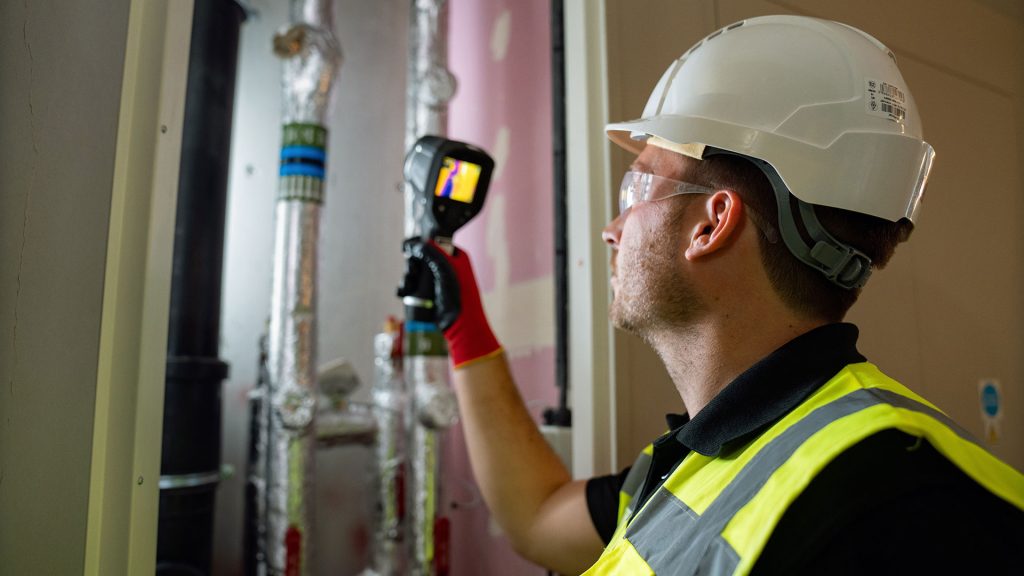
Proactive monitoring and maintenance empowers asset owners to be on the front foot with asset management and to fix problems before they occur. It means that data is collected regularly on heat network performance.
It also means scheduled inspections and servicing of critical heat network assets are carried out routinely to prevent the likelihood of asset failure. Proactive maintenance should include, but not be limited to:
- Routine water quality sampling and treatment, addressing water quality issues before they spiral
- Regular review of asset condition, including obtaining condition data through surveys/remote monitoring.
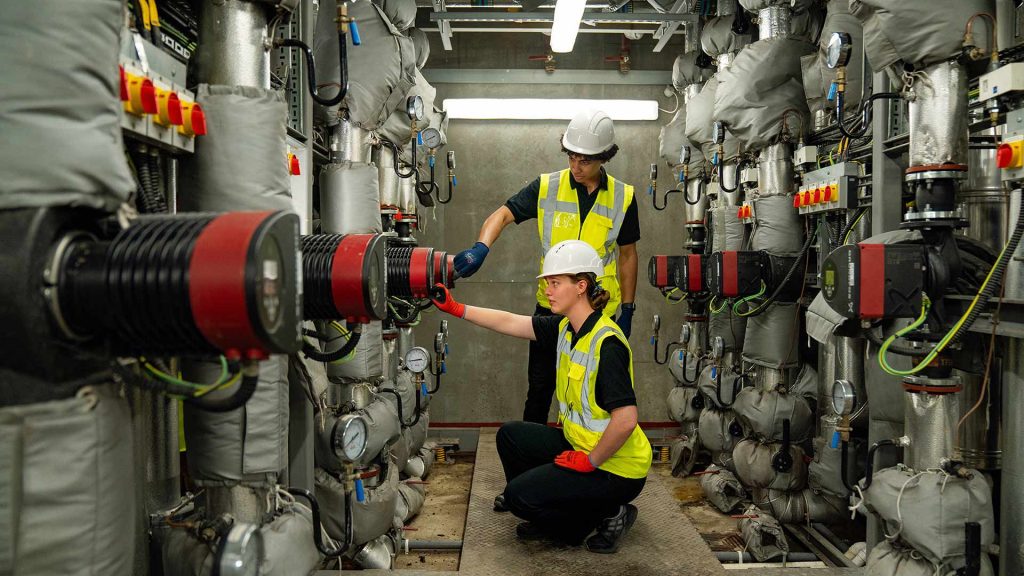
- The servicing of critical equipment such as heat generation equipment (boilers, heat pumps, plate heat exchangers), pressurisation equipment (pressurisation units and expansion systems) and distribution equipment (pumps)
- Ensuring a sufficient resilience strategy is in place so that heat network operators know what actions to take in the event that something goes wrong.
Barriers to change
Moving from reactive repairs to proactive maintenance requires a mindset shift in leadership and in the workforce. It is also means an invest to save approach which requires more upfront expenditure in monitoring systems and sensors.
But these investments almost always lead to a reduction in costs over time through the avoidance of outages and costly reactive repairs. If organisations really want to end the cycle of reactive maintenance, then it makes sense to take this approach across an entire heat network portfolio.
However, if an organisation currently lacks the budget, capacity or workforce then we would recommend piloting this approach among a small portfolio of assets, usually initially concentrating on older sites where problems may be more commonplace.
Adopting a proactive position
Moving to a more proactive approach will also align heat network operators with upcoming regulations. Draft HNTAS code documentation will require a proactive approach to maintenance, justified by evidence to be submitted at key regulatory milestones (KPI reporting, servicing records, condition-based asset registers).
Consumer protection regulations will require ‘guaranteed standards of performance’ which will mandate that both the number and duration of outages is minimised to acceptable levels.
To move to a proactive approach heat network operators themselves or their third party consultants, will need to:
- Re-evaluate current maintenance practices and strategies
- Review currently available industry documentation including such as SFG20 and the draft regulatory documentation available such as HNTAS code documents and the Heat Network Technical Standard known as TS1.
- Ensure regular water quality monitoring is carried out as this is one of the key killers of heat network performance that FairHeat find when we are called in to evaluate an underperforming heat network maintained by a third party.
- Prepare workers for a change in culture to deliver a focus on proactively identifying potential problems before they occur, rather than reacting when they do.
Investing days of effort on proactive maintenance is better than spending months of time on repairs.